Bildnachweis
CultureRoyal Gardens
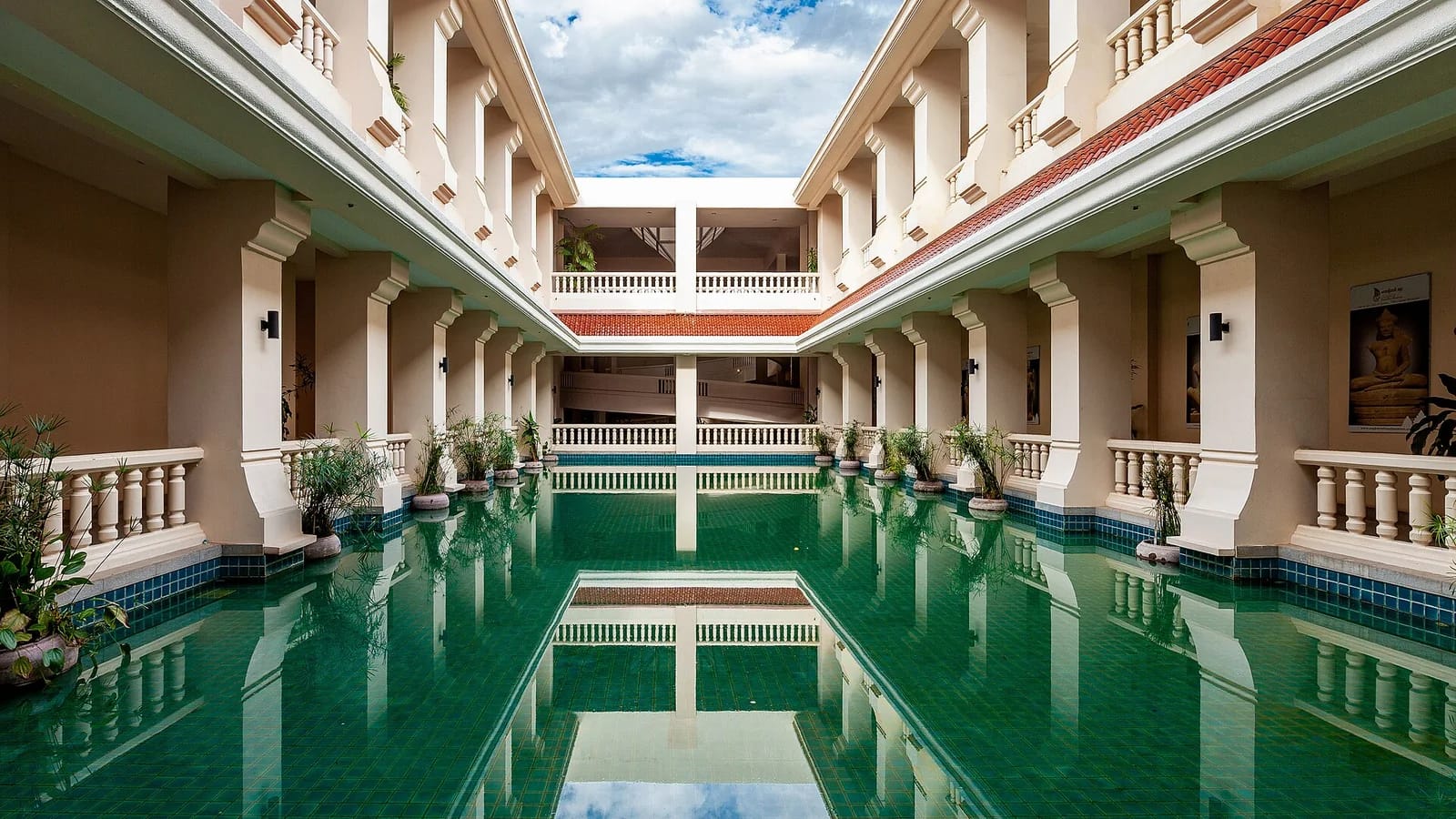
Angkor National Museum
What to know
An introduction to Khmer civilisation and the art of Angkor before or after visiting the temples.
The Map Cambodia · Siem Reap
Ein Zirkusabend, ein Handwerkskurs, ein Museum oder ein Ausflug aufs Land: Wählen Sie ein Erlebnis für Ihren Aufenthalt in Siem Reap. Hier finden Sie praktische Hinweise für Planung und Buchung.
Tempel besuchen? Zum Angkor-ReiseführerAusgewählt von der The Map Redaktion · 12 Orte
Eine kurze Auswahl, keine Rangliste. Die Orte sind alphabetisch aufgeführt.
What to know
An introduction to Khmer civilisation and the art of Angkor before or after visiting the temples.
What to know
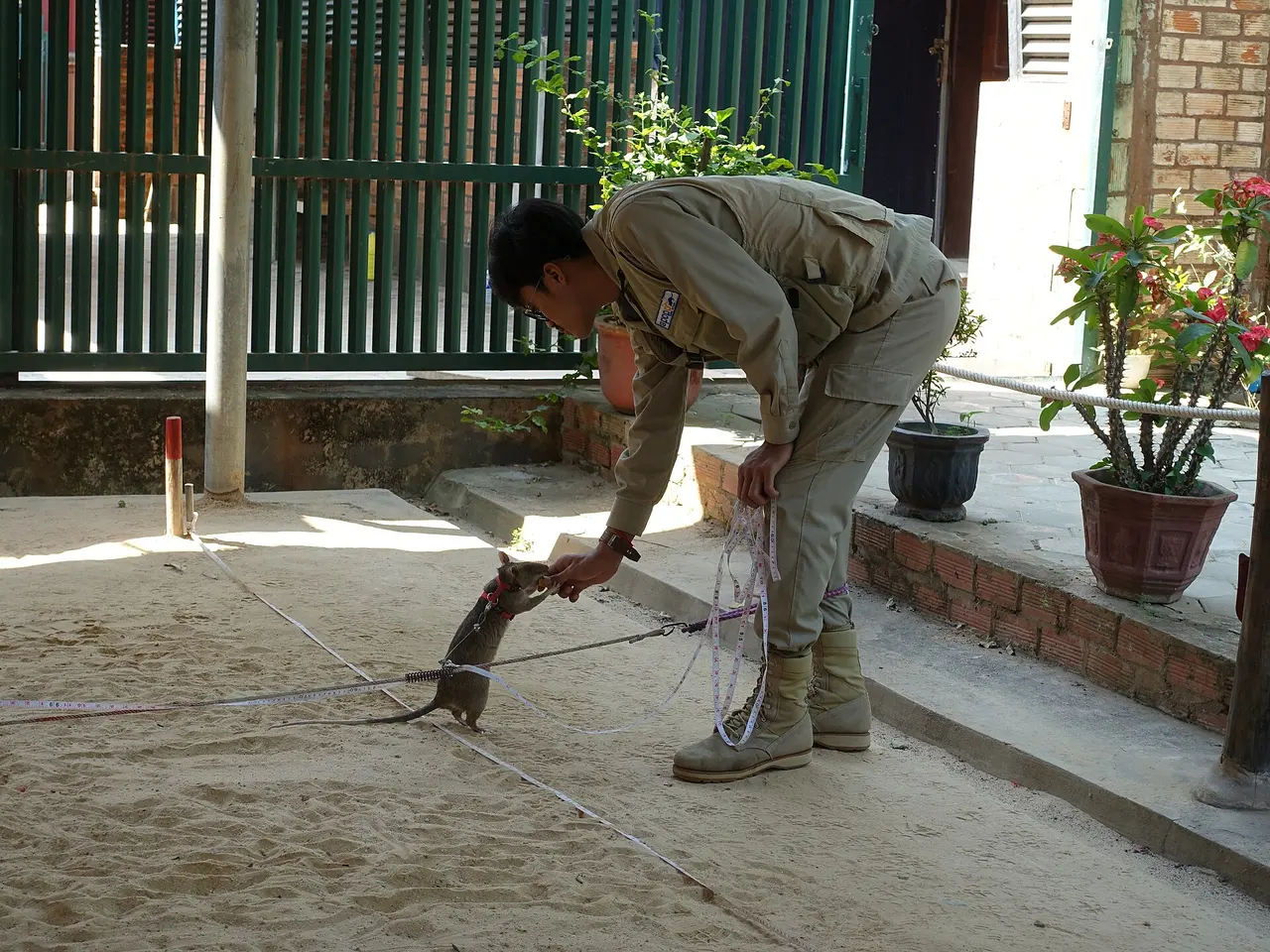
See how trained rats help detect landmines in a guided demonstration at APOPO’s visitor centre.
What to know
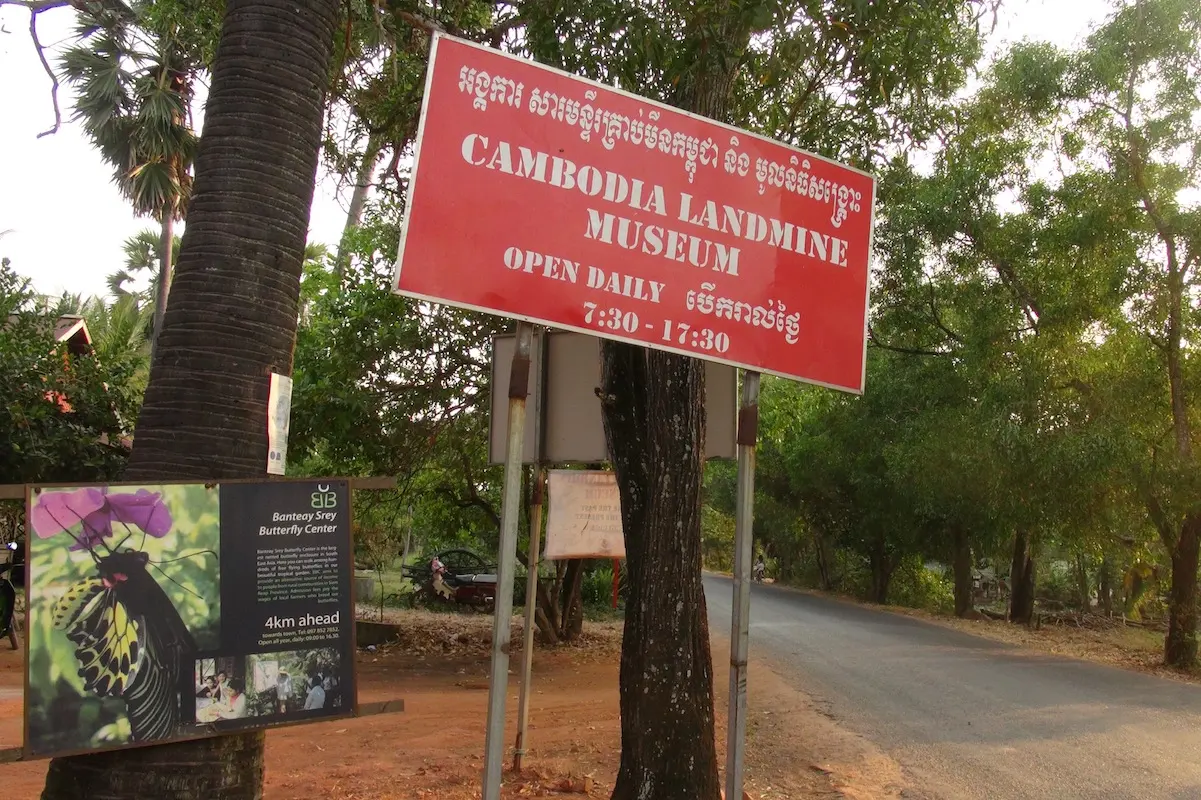
Aki Ra’s museum explains the legacy of landmines and supports demining and education work.
Gut zu wissen
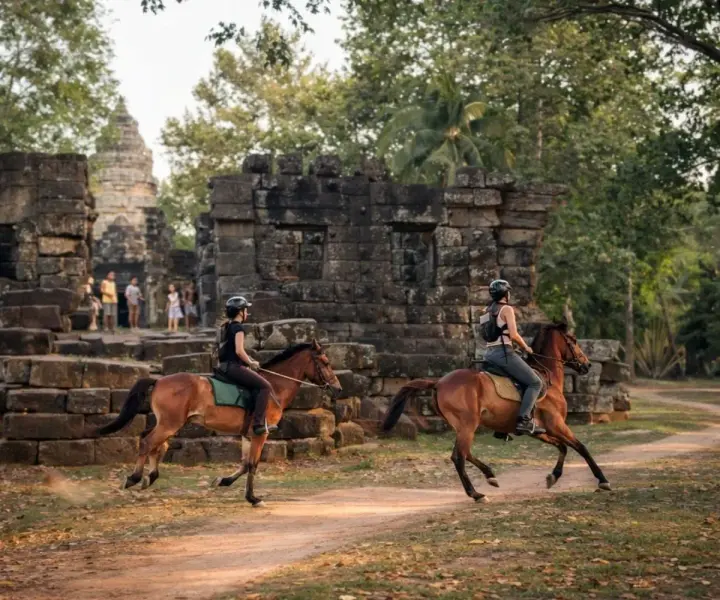
Reitausflüge durch Dörfer, Reisfelder und Tempel, geeignet für alle Levels.
Gut zu wissen
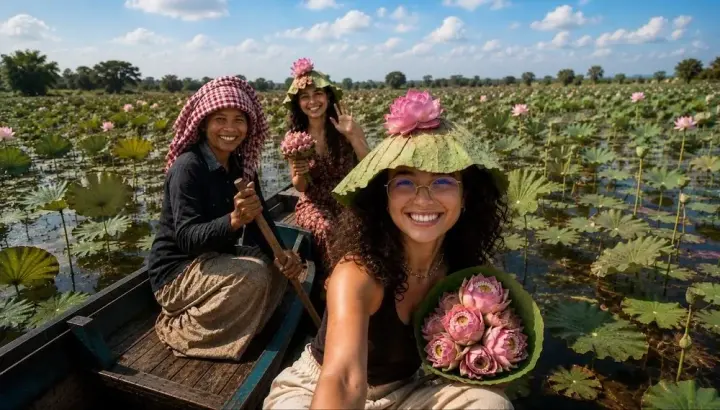
Entdecken Sie die seltene Kunst der Lotus-Seide in einer ruhigen, umweltbewussten Umgebung.
Gut zu wissen
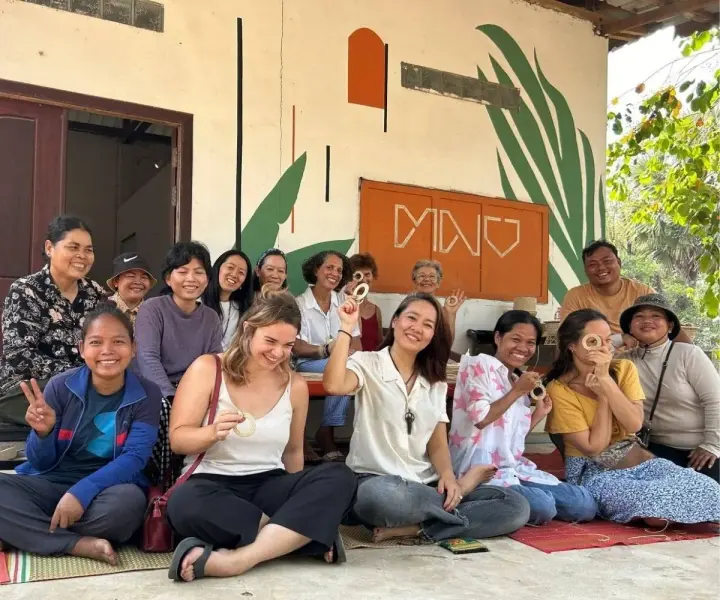
Nehmen Sie an einem 2-stündigen traditionellen Rattan-Webkurs mit lokalen Kunsthandwerkern in einem Korbflechterdorf (nur 10 km von Siem Reap) teil und fertigen Sie Ihren eigenen Rattan-Schlüsselhalter zum Mitnehmen.

Gut zu wissen
Ein Muss: Show aus Theater, Musik, Tanz und modernem Zirkus mit einzigartig kambodschanischer Note.
What to know
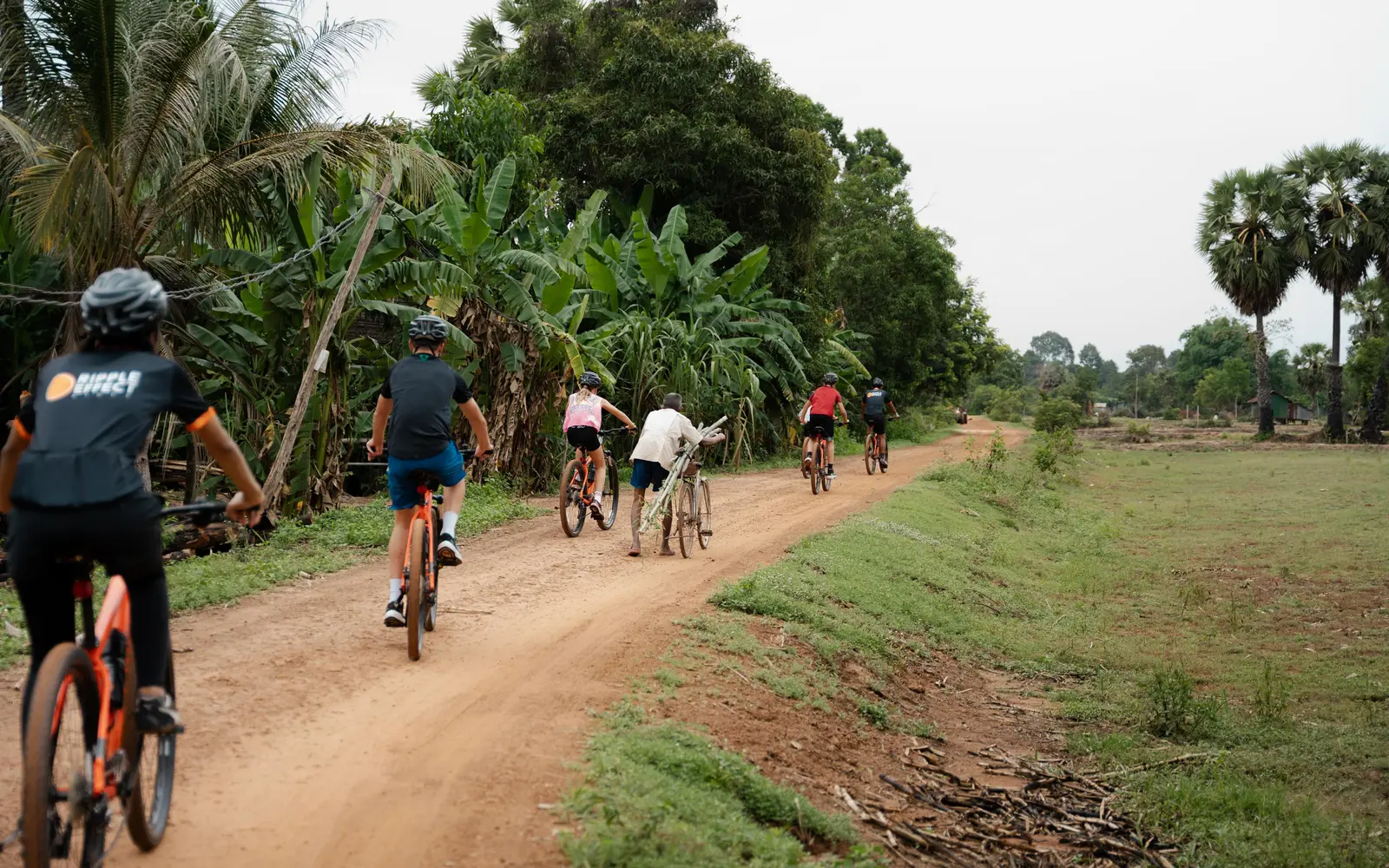
Guided cycling tours around Siem Reap, exploring villages, countryside trails and temples, with stated support for local causes.
Gut zu wissen
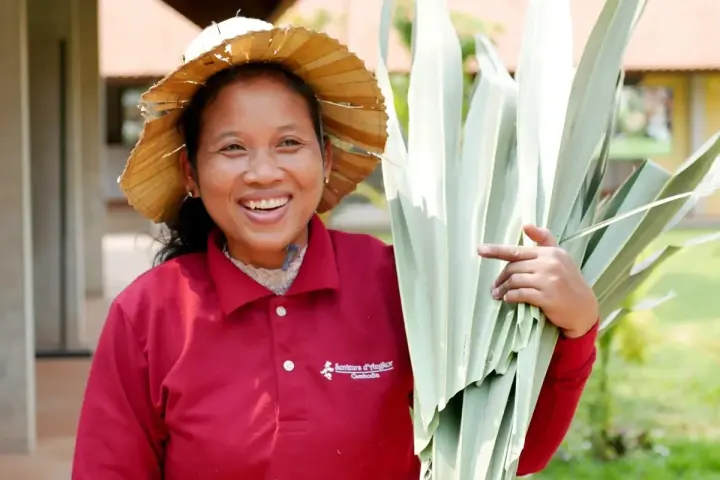
Entdecken Sie authentische kambodschanische Schätze bei Senteurs d'Angkor, einer Premium-Handwerksmarke mit lokalen Produkten.
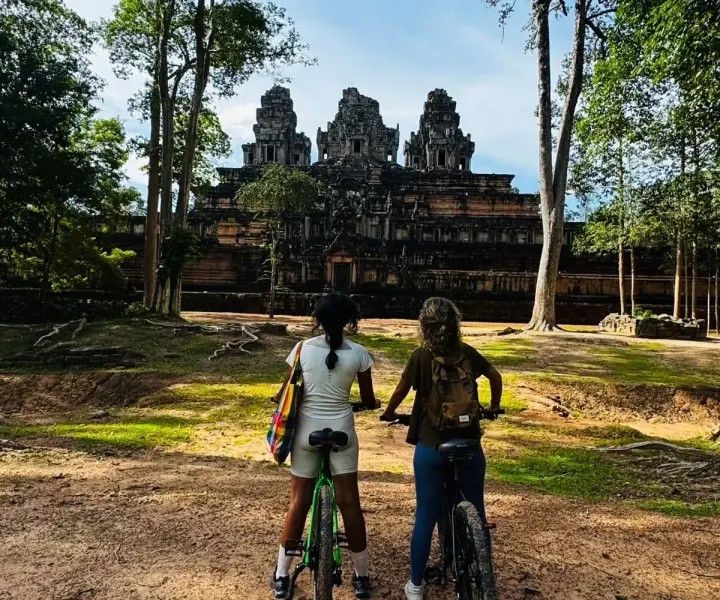
Gut zu wissen
Intensive Dorftour in Angkor mit Radfahren, traditionellen Mahlzeiten und authentischen Begegnungen.
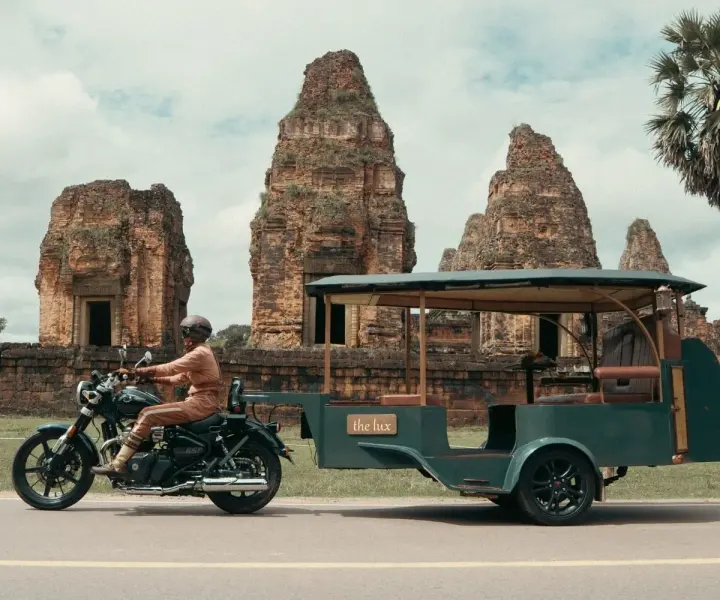
Gut zu wissen
Das weltweit erste Business-Class-Tuk-Tuk-Erlebnis. Entdecken Sie Angkors Tempel in unvergleichlichem Komfort mit Ledersitzen, WLAN an Bord und kalten Erfrischungen.
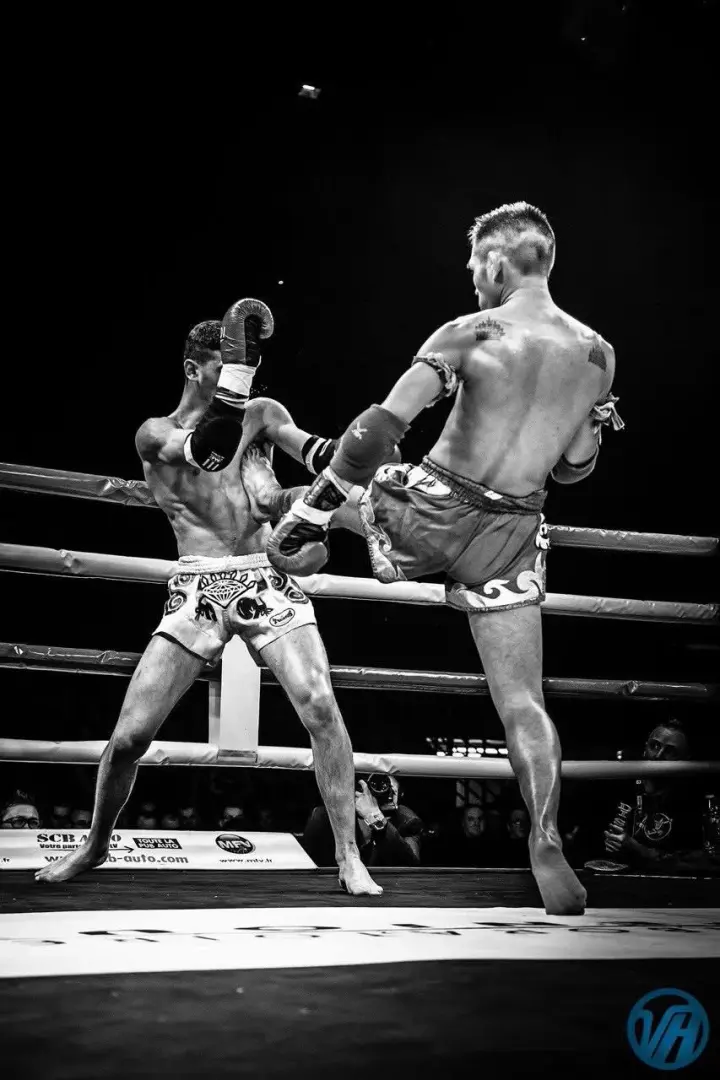
Gut zu wissen
Ein Kun-Khmer-Trainingsclub in Siem Reap, gegründet vom dreifachen ehemaligen Weltmeister Chey Albert Veerak. Das kambodschanische Gym ist nach dem ursprünglichen Club in Bordeaux der zweite Standort von The Temple und widmet sich dem Nationalsport Kambodschas.
The Map Cambodia wird in Kambodscha mit lokalem Wissen und dokumentierten öffentlichen Informationen redigiert. Jede Aufnahme ist redaktionell; die Orte werden alphabetisch und nicht als Rangliste angezeigt.