Crediti foto
CultureRoyal Gardens
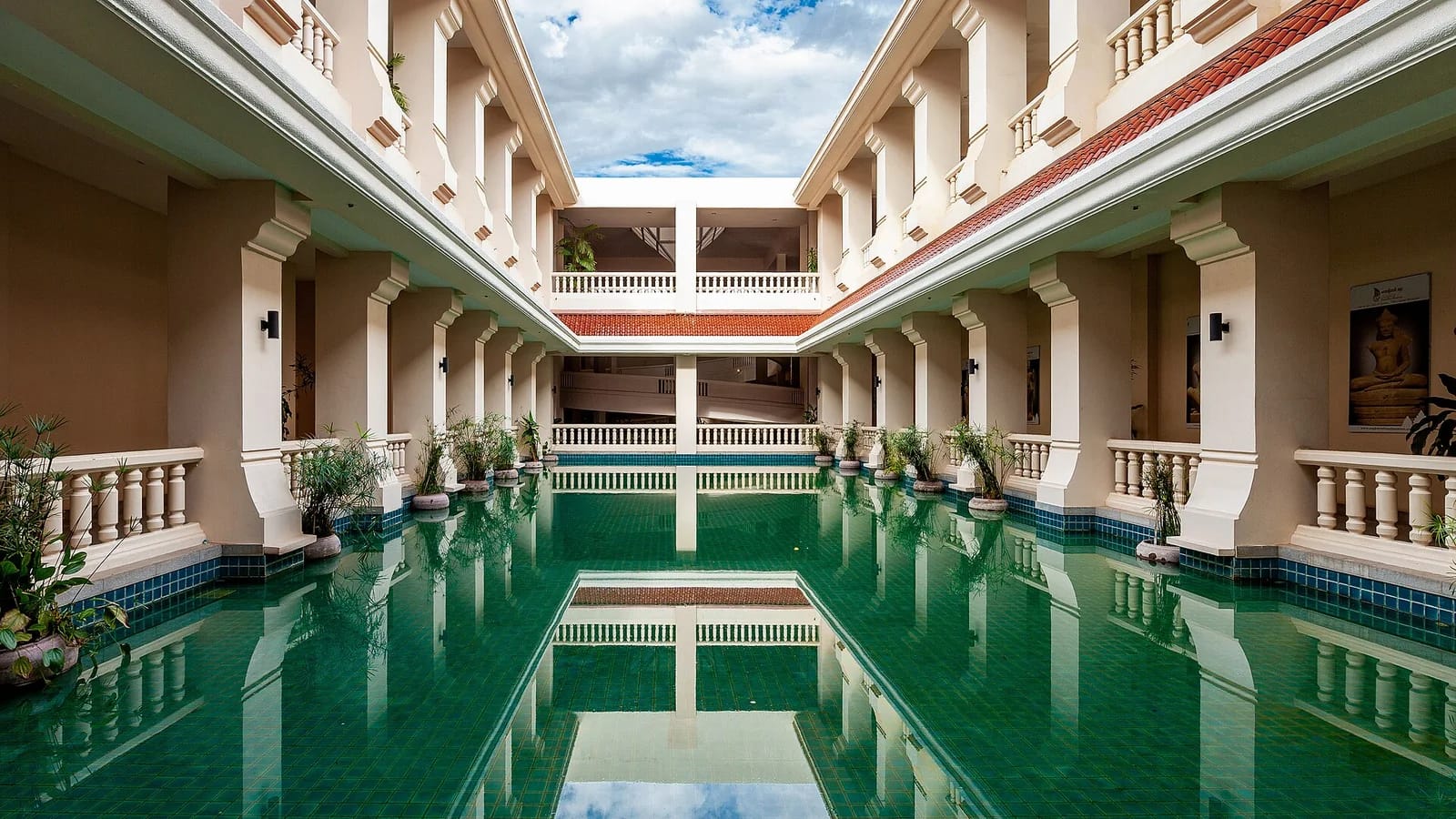
Angkor National Museum
What to know
An introduction to Khmer civilisation and the art of Angkor before or after visiting the temples.
The Map Cambodia · Siem Reap
Una serata al circo, un laboratorio, un museo o una gita in campagna: scegli in base ai tuoi interessi e al tempo che hai a Siem Reap. Qui trovi le informazioni pratiche per organizzare la visita.
Vuoi visitare i templi? Consulta la guida di AngkorSelezionato dalla redazione di The Map · 12 luoghi
Una selezione breve, non una classifica. I luoghi sono in ordine alfabetico.
What to know
An introduction to Khmer civilisation and the art of Angkor before or after visiting the temples.
What to know
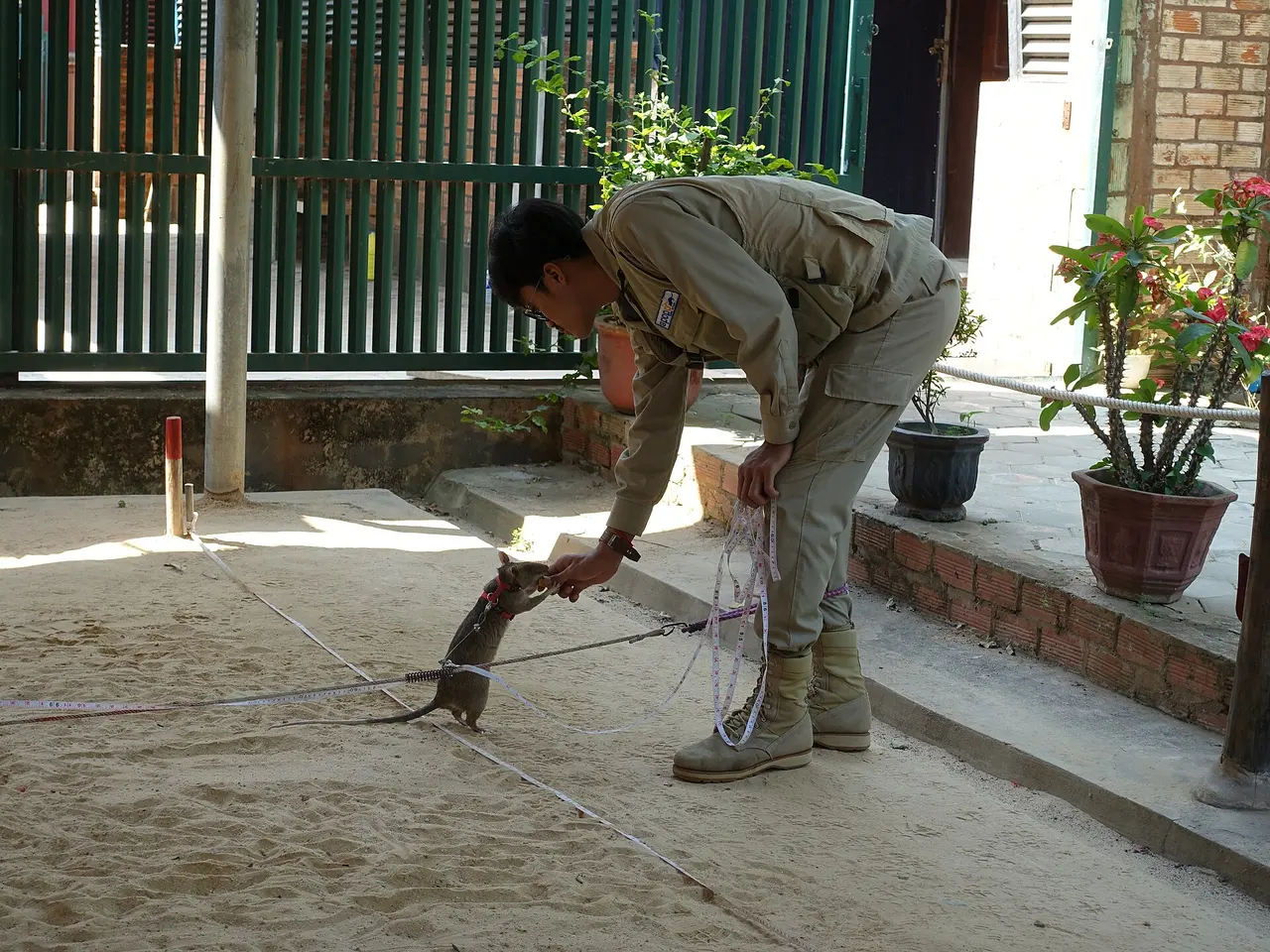
See how trained rats help detect landmines in a guided demonstration at APOPO’s visitor centre.
What to know
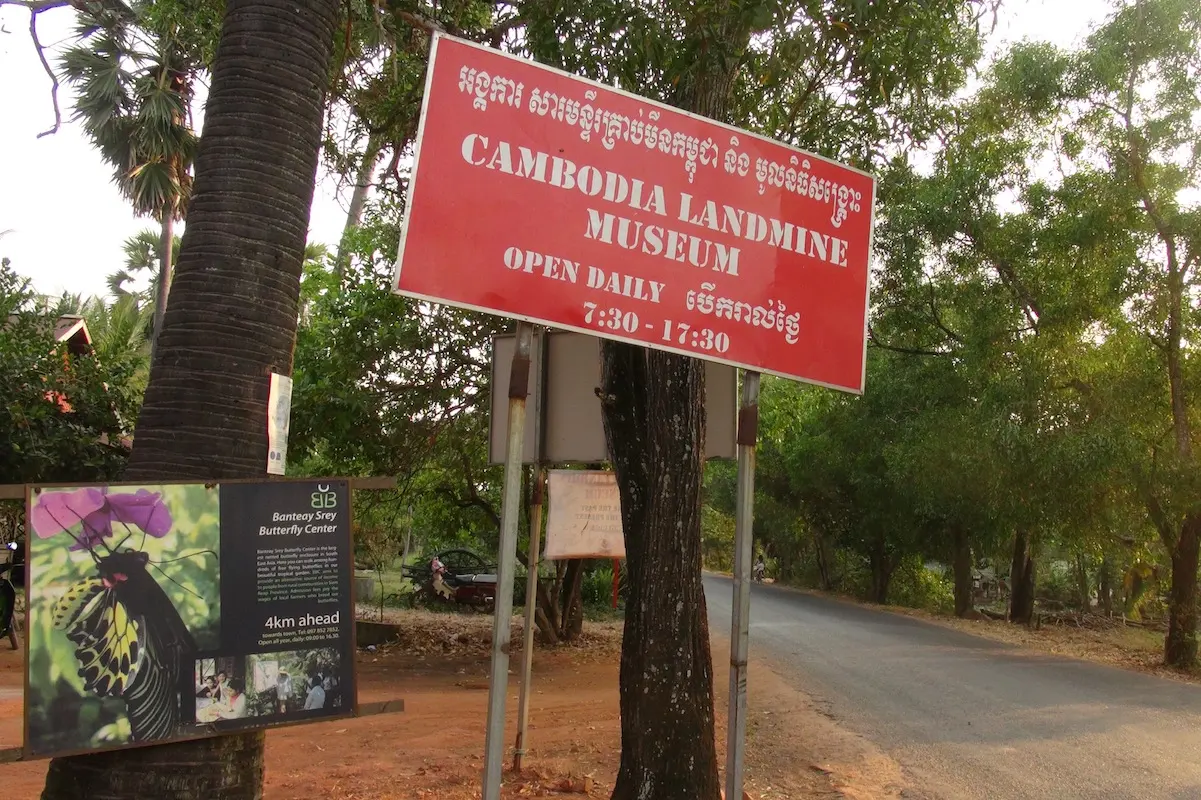
Aki Ra’s museum explains the legacy of landmines and supports demining and education work.
Da sapere
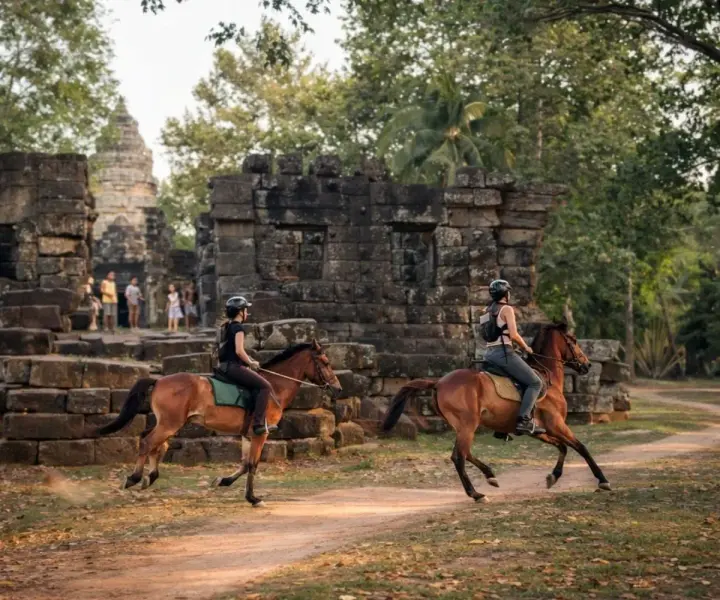
Passeggiate a cavallo nella campagna cambogiana tra villaggi, risaie e templi, adatte a tutti i livelli.

Da sapere
Scopri la rara arte della tessitura della seta di loto in un ambiente tranquillo ed eco-responsabile.

Da sapere
Spettacolo imperdibile che unisce teatro, musica, danza e arti circensi, con un tocco cambogiano unico.
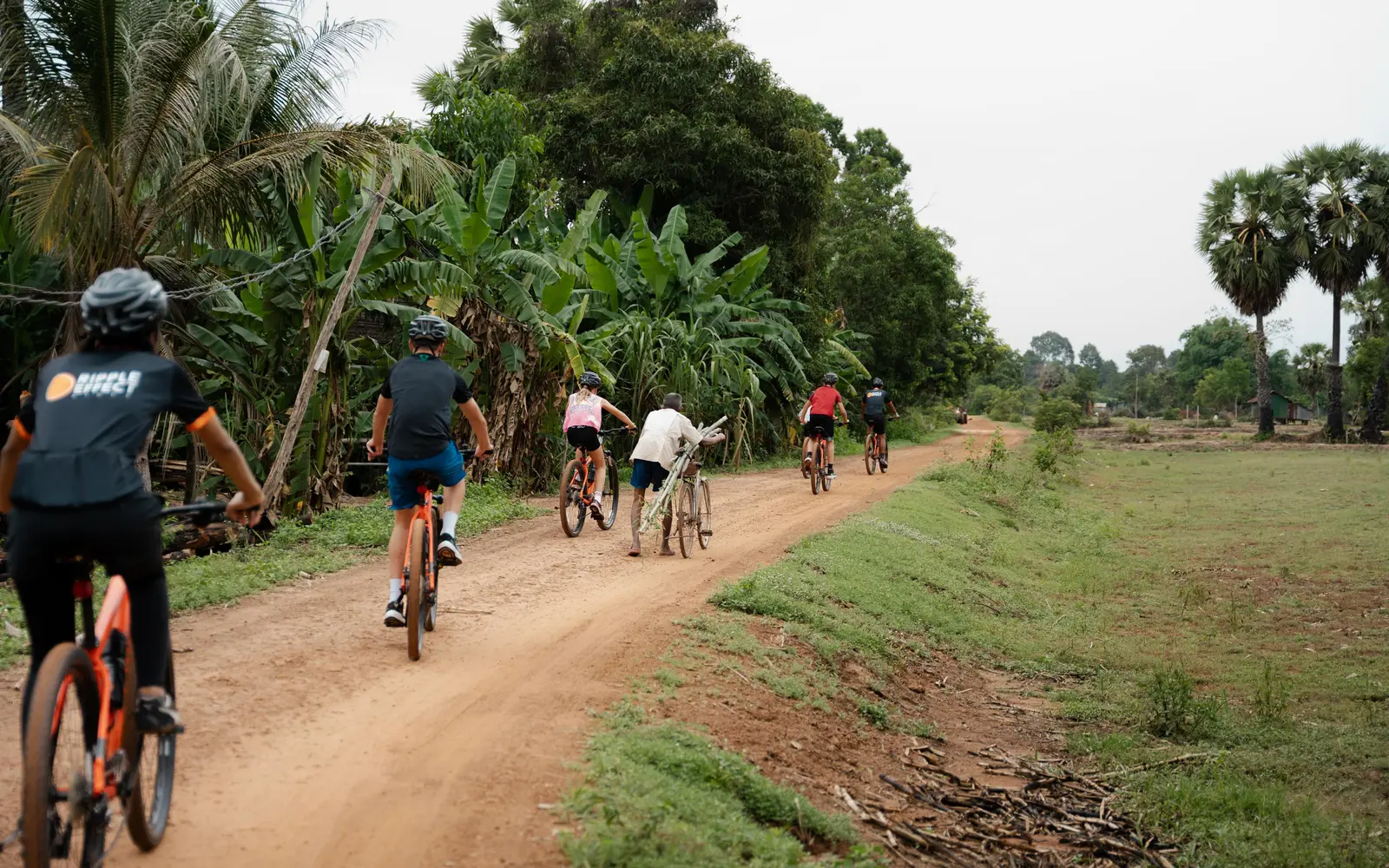
What to know
Guided cycling tours around Siem Reap, exploring villages, countryside trails and temples, with stated support for local causes.
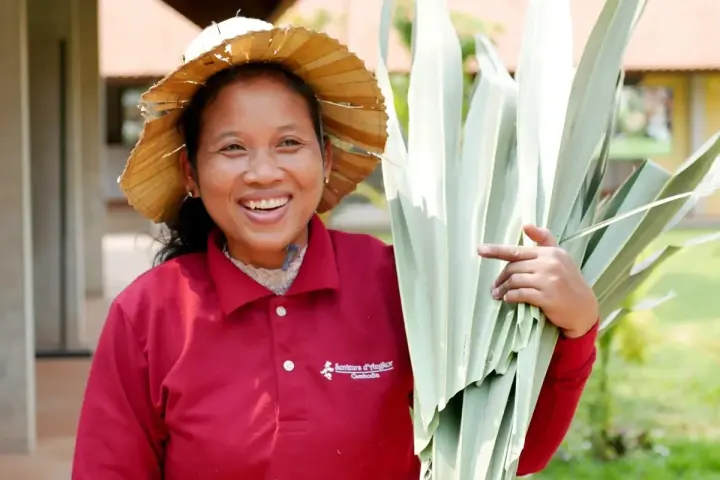
Da sapere
Scopri i tesori autentici della Cambogia da Senteurs d'Angkor, una boutique artigianale premium che valorizza i migliori prodotti locali.
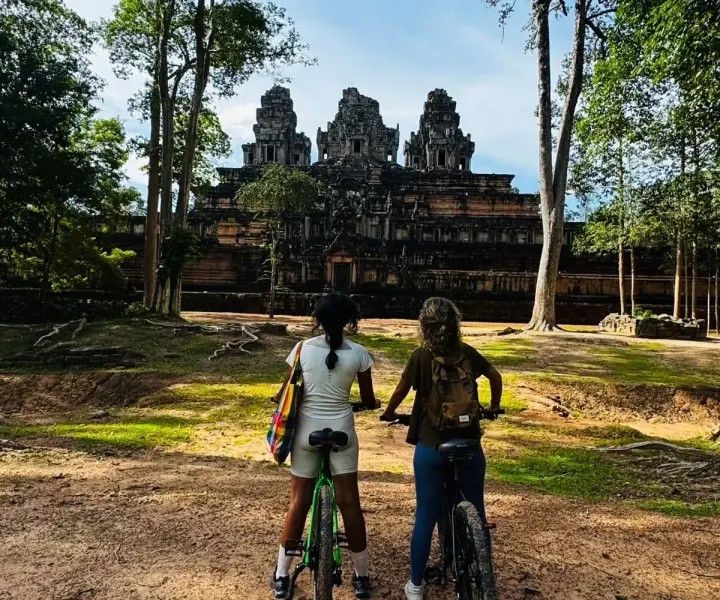
Da sapere
Tour immersivo in un villaggio di Angkor con bici, pasti tradizionali e incontri autentici.
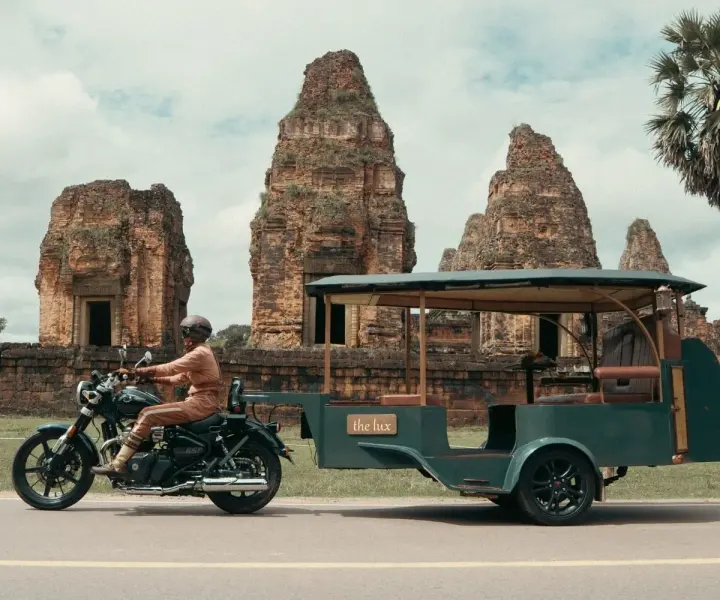
Da sapere
La prima esperienza al mondo in tuk-tuk “business class”. Esplora i templi di Angkor con sedili in pelle, Wi-Fi a bordo e rinfreschi.

Da sapere
Club di allenamento Kun Khmer a Siem Reap fondato dall'ex tre volte campione del mondo Chey Albert Veerak. È la seconda sede di The Temple dopo il club originale di Bordeaux e uno spazio dedicato allo sport da combattimento nazionale della Cambogia.
Da sapere
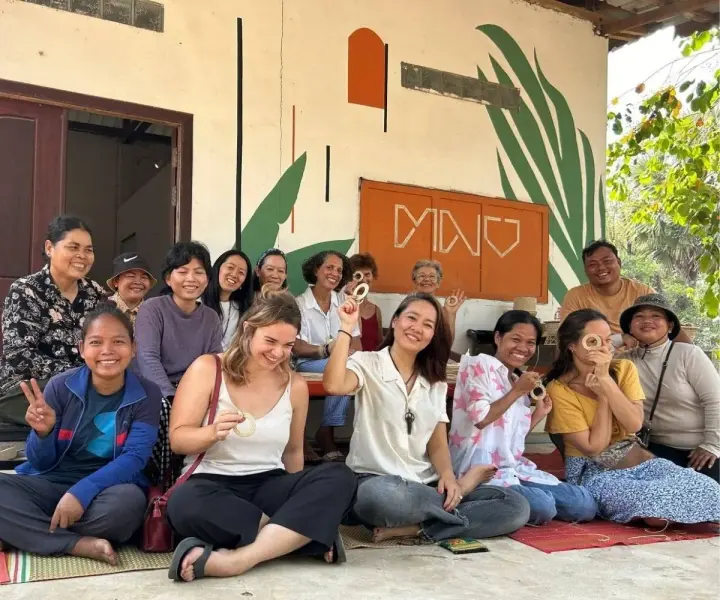
Partecipa a un workshop di intreccio tradizionale del rattan di 2 ore con artigiani locali in un villaggio a soli 10 km da Siem Reap e porta a casa il tuo portachiavi in rattan.
The Map Cambodia è curata in Cambogia con conoscenza locale e informazioni pubbliche documentate. Ogni inclusione è editoriale; i luoghi sono mostrati in ordine alfabetico, senza classifica.